
Plerandra elegantissima – False Aralia


Plerandra elegantissima – False Aralia
Delivery only in Limassol
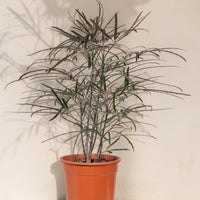
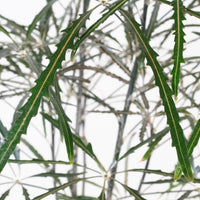
Add an elegant, architectural touch to your interior with the Plerandra elegantissima, commonly known as the False Aralia. This distinctive tropical houseplant is admired for its slender, deeply serrated leaves, delicate branching habit and rich green to bronze-toned foliage.
Its fine, airy appearance makes it a beautiful alternative to traditional broad-leaf houseplants, bringing texture, movement and a sophisticated botanical character to contemporary interiors. As it matures, the False Aralia develops a graceful, upright form that makes it an eye-catching statement plant.
Plant Care
☀️ Light: Prefers bright, indirect light. It can tolerate some gentle morning sun, but protect it from strong afternoon sunlight, particularly during Cyprus' hot summer months.
💧 Water: Water when the top 2–3 cm of soil feels dry. Keep the soil lightly and consistently moist, but never waterlogged. Ensure the pot has good drainage.
💦 Humidity: Prefers moderate to high humidity. Higher humidity helps maintain healthy foliage and reduces the risk of dry or brown leaf edges.
🌡️ Temperature: Thrives in warm conditions between 18–27°C. Protect from temperatures below 15°C, cold drafts and direct air conditioning.
🌱 Growth: A slow to moderate-growing plant with an upright, branching habit. With good light and care, it can gradually develop into a beautifully structured indoor specimen.
🍃 Foliage: Its narrow, serrated leaves create a delicate, almost lace-like texture. New growth may appear lighter or slightly bronze before developing its mature colour.
🐾 Pet Friendly: No. Plerandra elegantissima is considered toxic if ingested. Keep away from cats, dogs and young children.
Perfect For
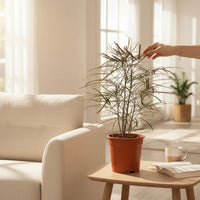
• Modern living rooms
• Bedrooms with bright natural light
• Offices and workspaces
• Entrance areas
• Minimalist and contemporary interiors
• Adding fine texture to plant collections
• Elegant botanical décor
Good to Know
The False Aralia was historically classified as Dizygotheca elegantissima and is now generally known as Plerandra elegantissima. Its unusual, finely divided foliage gives it a distinctive appearance unlike many common indoor plants.
It appreciates consistency — sudden changes in light, temperature, watering or humidity can sometimes cause leaf drop. Once it settles into a suitable environment, it can reward you with attractive, delicate foliage throughout the year.
🇨🇾 Cyprus Tip: Place your False Aralia in a bright room with filtered natural light and keep it away from strong afternoon sun and air-conditioning. During Cyprus' hot, dry summer months, monitor the soil regularly and maintain good humidity around the plant.
Plant Type: Tropical foliage plant
Common Name: False Aralia
Growth Habit: Upright and branching
Please note: As each plant is a living product, size, shape, foliage colour and density may vary slightly from the images shown.

Pro Tips
Remember that taking care of a houseplant is an ongoing process, so make sure to check in on your plant regularly and adjust its care as needed. With a little attention and effort, you can help your houseplant thrive and beautify your living space for years to come.
We're happy to help answer any questions you may have on plant care. Feel free to get in touch.
Here are the basics:
- Water regularly. Depending on your plant’s needs, you should water it regularly to keep the soil moist but not soggy.
- Fertilize. Feed your plants with a balanced liquid fertilizer every two to four weeks to provide them with necessary nutrients.
- Prune. Trim and prune the plant as needed to maintain its shape and size.
- Monitor for pests. Check your plants regularly for signs of disease and pests so that you can address any problems early on.
- Repot. Repot your plants every two to three years to ensure they have enough room to grow.
Here are some things to look for to determine if your plant needs attention:
- Wilting or drooping leaves: This could indicate that the plant is not getting enough water or is getting too much water. Make sure to check the soil moisture level and adjust your watering schedule accordingly.
- Yellowing leaves: Yellowing leaves can be a sign of many things, such as nutrient deficiencies or overwatering. Try to identify the cause of the yellowing and address it accordingly.
- Brown or dry leaves: Brown or dry leaves can indicate that the plant is not getting enough water, or it may be getting too much direct sunlight. Move the plant to a shadier spot or adjust your watering schedule if necessary.
- Stunted growth: If your plant is not growing as quickly as it should, it may be a sign of nutrient deficiencies or poor soil quality. Consider fertilizing the plant or repotting it with fresh soil.
Overall, keeping an eye on your plant's appearance and behavior can help you determine if it needs attention or adjustments in its care.
Delivery time depends on the shipping method chosen at checkout. Standard shipping usually takes 5-7 business days, while expedited shipping takes 2-3 business days. Please note that delivery times may vary due to unforeseen circumstances such as weather or carrier delays.
We package our plants with care to ensure they arrive in the best possible condition. Plants are placed in sturdy boxes with protective materials to prevent damage during shipping.