
Dionaea muscipula (Venus Flytrap)


Dionaea muscipula (Venus Flytrap)
Delivery only in Limassol
Dionaea muscipula (Venus Flytrap)
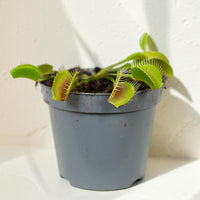
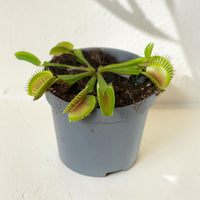
The Venus Flytrap is one of the most fascinating carnivorous plants, with jaw-like traps that capture small insects. Dionaea muscipula is both fun and educational, perfect for plant enthusiasts, collectors, and anyone looking for a striking conversation piece.
✨ About the Plant
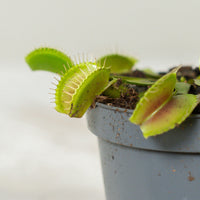
Dionaea muscipula features green leaves with hinged traps lined with sensitive trigger hairs. When an insect touches these hairs, the trap closes, allowing the plant to digest its prey. It’s compact, hardy, and makes an incredible addition to windowsills, terrariums, or classroom projects.
🌿 Care at a Glance
☀️ Light: Bright, direct to indirect sunlight. At least 4–6 hours per day.
💧 Water: Keep soil consistently moist using distilled or rainwater. Do not use tap water.
🌱 Soil: Acidic, nutrient-poor soil. Ideal mix: sphagnum peat moss + perlite.
🌿 Humidity: Prefers moderate to high humidity but adapts to normal indoor conditions.
🌡️ Temperature: Thrives in 20–30°C (68–86°F). Protect from frost.
🪴 Growth: Dormant in winter — reduce watering and provide cooler temperatures. Resumes growth in spring.
🐾 Pet Safety: Do not eat. Safe to touch.
✨ A captivating, educational, and playful plant — perfect for curious collectors and indoor jungles.

Pro Tips
Remember that taking care of a houseplant is an ongoing process, so make sure to check in on your plant regularly and adjust its care as needed. With a little attention and effort, you can help your houseplant thrive and beautify your living space for years to come.
We're happy to help answer any questions you may have on plant care. Feel free to get in touch.
Here are the basics:
- Water regularly. Depending on your plant’s needs, you should water it regularly to keep the soil moist but not soggy.
- Fertilize. Feed your plants with a balanced liquid fertilizer every two to four weeks to provide them with necessary nutrients.
- Prune. Trim and prune the plant as needed to maintain its shape and size.
- Monitor for pests. Check your plants regularly for signs of disease and pests so that you can address any problems early on.
- Repot. Repot your plants every two to three years to ensure they have enough room to grow.
Here are some things to look for to determine if your plant needs attention:
- Wilting or drooping leaves: This could indicate that the plant is not getting enough water or is getting too much water. Make sure to check the soil moisture level and adjust your watering schedule accordingly.
- Yellowing leaves: Yellowing leaves can be a sign of many things, such as nutrient deficiencies or overwatering. Try to identify the cause of the yellowing and address it accordingly.
- Brown or dry leaves: Brown or dry leaves can indicate that the plant is not getting enough water, or it may be getting too much direct sunlight. Move the plant to a shadier spot or adjust your watering schedule if necessary.
- Stunted growth: If your plant is not growing as quickly as it should, it may be a sign of nutrient deficiencies or poor soil quality. Consider fertilizing the plant or repotting it with fresh soil.
Overall, keeping an eye on your plant's appearance and behavior can help you determine if it needs attention or adjustments in its care.
Delivery time depends on the shipping method chosen at checkout. Standard shipping usually takes 5-7 business days, while expedited shipping takes 2-3 business days. Please note that delivery times may vary due to unforeseen circumstances such as weather or carrier delays.
We package our plants with care to ensure they arrive in the best possible condition. Plants are placed in sturdy boxes with protective materials to prevent damage during shipping.